


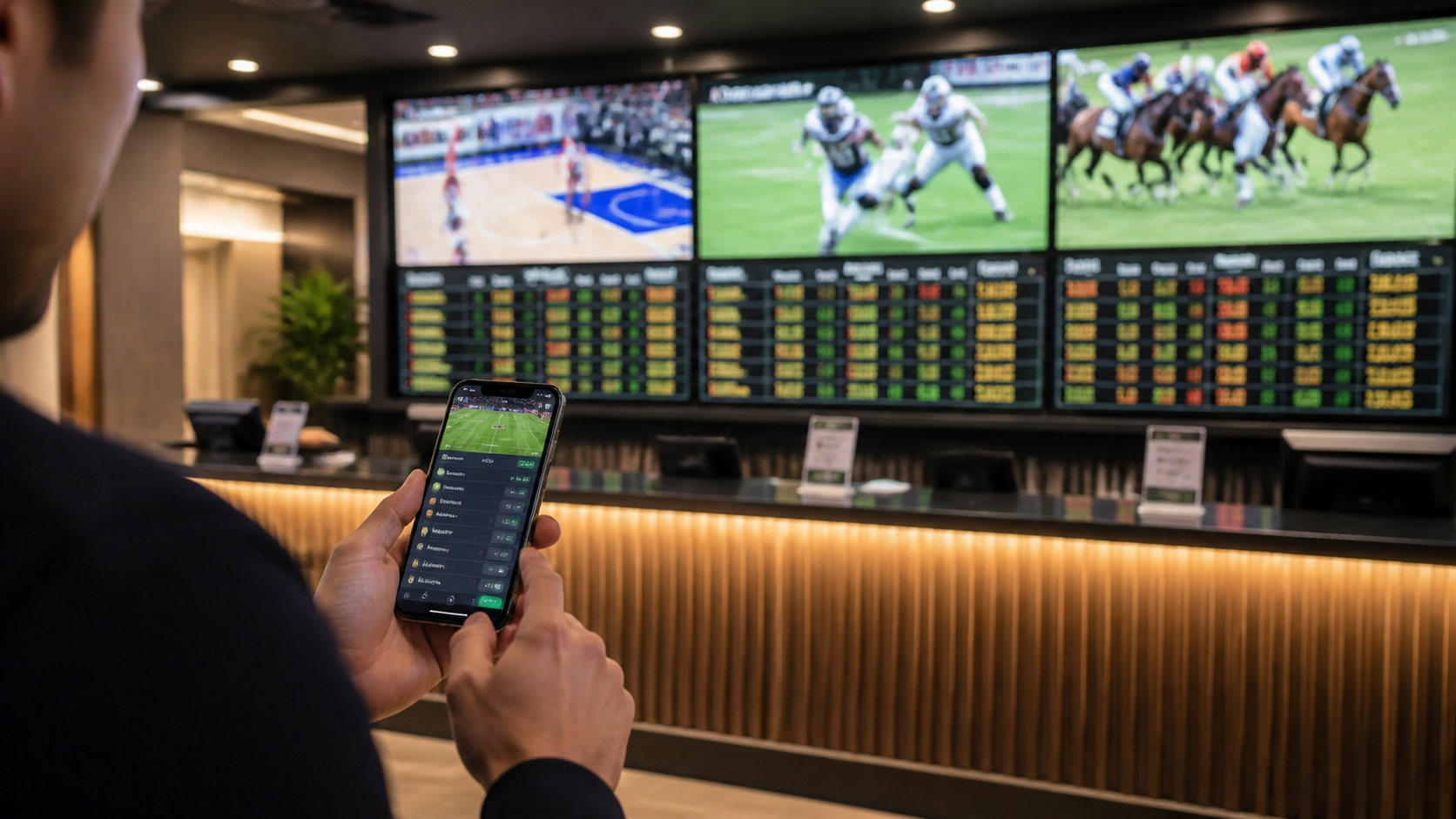
Online betting has become part of the wider world of digital entertainment, offering ways to follow games and place wagers from a computer or mobile device. The experience can look straightforward at first: choose an event, review the available options, and decide whether to participate. In practice, the quality of that experience depends on more than the odds displayed on a screen. Clear rules, useful information, account controls, and a sensible approach to spending all matter.
For readers exploring betting sites, it helps to assess the service carefully rather than relying on a flashy interface or a prominent offer. A little preparation can make it easier to compare options, understand what a bet involves, and decide whether online wagering fits personal preferences. The points below offer a practical framework for evaluating the experience without treating betting as a way to make money.
Start with the rules and the available information
Before creating an account or placing a wager, look for clear explanations of how the service works. Readers should be able to find information about account registration, deposits and withdrawals, bet settlement, cancellations, and any applicable conditions. If these basics are difficult to locate or written in a way that is hard to follow, that is a reason to pause and seek clarity.
Pay attention to whether the rules explain how different outcomes are handled. A market may have specific conditions for a draw, a postponed event, a participant not taking part, or a result that changes after the initial announcement. The details vary by service and market, so do not assume that familiar terminology means identical rules everywhere. Read the terms attached to the particular wager, especially when an outcome could be interpreted in more than one way.
It is also useful to review the site’s general terms before accepting an offer or committing funds. Promotional language may emphasize a headline benefit, while the conditions explain eligibility, deadlines, or restrictions. Understanding those conditions in advance can prevent confusion later. A careful reader should be able to distinguish between the basic rules of a bet and the separate terms connected with a promotion.
Compare usability without mistaking design for quality
A well-organized interface can make it easier to find sports, events, markets, and account settings. Clear navigation matters because users need to understand what they are selecting before confirming a wager. Look for readable descriptions, sensible menus, and a straightforward way to review a bet slip. If key information is crowded, inconsistent, or difficult to reach on a phone, the experience may become frustrating at precisely the moment careful attention is needed.
Visual polish alone is not a useful measure of overall quality. A site may look modern yet provide limited explanations, while a simpler layout may present essential details more clearly. Consider whether prices or odds are displayed in a format you understand, whether selections can be checked before submission, and whether the account area makes it easy to review activity. These practical details are more valuable than decorative features that do not help users make informed choices.
Mobile access is another factor to assess. Some people prefer a dedicated app, while others use a mobile browser. Either way, the important question is whether the interface remains readable and functional on a smaller screen. Before placing a wager, take time to confirm the event, market, selection, and stake. A quick review can help catch a mistaken tap or an unintended choice.
Understand odds, markets, and the limits of predictions
Odds describe how a potential payout is presented, but they do not make an outcome predictable. Sports results involve uncertainty, and analysis cannot remove it. A wager should therefore be treated as entertainment with a possible loss, not as a dependable source of income or a method for recovering previous losses.
Different markets can frame the same event in different ways. A user might consider a match result, a score-related option, or another event-specific outcome, depending on what is offered. More choices do not necessarily make a decision better. If a market is unclear, or if the conditions are unfamiliar, skipping it is a reasonable choice. Taking a moment to understand the selection is preferable to wagering on terminology that only seems familiar.
It can help to separate a personal prediction from the decision to place a bet. Following a team closely does not guarantee a more accurate forecast, and confidence should not be confused with certainty. Consider what information is genuinely relevant, acknowledge what remains unknown, and avoid increasing a stake simply because an outcome feels likely. No strategy can guarantee a win, and a losing result is always possible.
Set personal limits and use account controls
Responsible participation begins with deciding in advance how much time and money, if any, to devote to betting. Only use money that can be lost without affecting essential expenses, and avoid borrowing or using funds set aside for bills. A budget is most useful when it is treated as a firm boundary rather than a target to spend. If the planned amount is gone, stopping is safer than trying to win it back.
Where available, account tools can help users keep their activity within personal limits. These may include spending or deposit limits, reminders, temporary breaks, or account restrictions. The exact options differ, so review the settings rather than assuming a particular feature is available. Keeping track of time spent as well as money wagered can also help maintain perspective.
Watch for signs that betting is becoming stressful or disruptive. Chasing losses, hiding activity, neglecting responsibilities, or feeling unable to stop are reasons to step away and seek support from someone trusted or an appropriate local service. Betting should not interfere with sleep, relationships, work, study, or financial commitments. If the experience no longer feels controlled, taking a break is more important than finding another market or strategy.
Make a considered choice before participating
A thoughtful comparison focuses on the quality of information and the user’s own needs, not on promises of easy rewards. Before choosing a service, ask whether its rules are understandable, whether the interface makes selections easy to verify, and whether account settings support personal limits. Check how to contact customer support and whether help information is easy to find. These checks do not remove risk, but they can help a reader avoid preventable confusion.
It is equally valid to decide that online wagering is not appealing. Games and sports can be enjoyable without placing money on an outcome, and following an event does not require a bet. For anyone who does choose to participate, a cautious approach means setting boundaries, reading the conditions, and treating every stake as money that could be lost. Avoid letting promotions, social pressure, or a run of results dictate the next decision.
Ultimately, the most useful choice is an informed one. Take time to understand the rules, compare usability, and consider how betting fits into a broader entertainment budget. Keep expectations realistic, use available controls, and stop when the activity is no longer enjoyable or within your limits. These habits support a more deliberate experience while recognizing that no platform or prediction can make uncertain outcomes certain.
