


Healthy-looking skin is not simply about having fewer wrinkles. Fine lines, rough texture, enlarged pores, uneven tone, and a lack of radiance can all contribute to an aged or tired appearance. While a consistent skincare routine is important, professional medical spa treatments can provide more targeted approaches for concerns that may be difficult to address with topical products alone.
Modern aesthetic care increasingly focuses on improving overall skin quality rather than chasing one isolated imperfection. Treatments can be selected according to skin type, sensitivity, pigmentation, texture, and the degree of visible aging.
Understanding Why Skin Becomes Dull and Uneven
Several factors can affect the appearance of skin over time. Natural aging gradually reduces collagen production, while sun exposure can contribute to pigmentation, roughness, and fine lines. Dehydration, environmental pollution, previous acne, clogged pores, and inconsistent skincare can also make the complexion appear less smooth and radiant.
Fine lines may become more noticeable as collagen and elasticity decline. Meanwhile, accumulated dead skin cells and irregular cell turnover can contribute to a rough or lackluster surface. Because these concerns can have different causes, treatment should ideally begin with a professional assessment rather than a one-size-fits-all procedure.
Chemical Peels for Brighter, Smoother Skin
Chemical peels are among the established options used to refresh the skin’s surface. A professionally selected peel uses a controlled chemical solution to exfoliate targeted layers of skin, encouraging renewal.
Depending on the formulation and strength, peels may help improve dullness, mild pigmentation, uneven tone, rough texture, and some early signs of aging. Superficial peels generally involve less recovery, while stronger treatments can require more downtime.
The appropriate peel should depend on the individual’s skin condition and sensitivity. Using an overly aggressive peel can cause irritation or pigmentation problems, particularly when treatment is not properly selected or performed.
Microneedling and Collagen Support
Microneedling takes a different approach by creating controlled microscopic injuries in the skin. This stimulates the body’s natural healing response and can encourage collagen remodeling.
It is commonly considered for uneven texture, enlarged pores, mild acne scarring, and fine lines. Improvements usually develop gradually rather than appearing immediately because collagen remodeling takes time. Several treatments may be recommended depending on the concern and the individual’s response.
For people considering Vedas Medical Spa, discussing skin goals, previous treatments, sensitivity, and realistic expectations during a professional consultation can help determine whether microneedling, a peel, laser treatment, or another option is appropriate.
Laser Resurfacing for Texture and Fine Lines
Laser treatments can target specific layers or structures within the skin using concentrated light energy. Certain resurfacing approaches are designed to remove or remodel damaged skin while stimulating collagen production.
Laser resurfacing may be considered for more noticeable texture irregularities, sun-related changes, acne scars, and fine lines. Different laser technologies have different effects, so the term “laser treatment” does not describe a single procedure.
People with pigmentation-prone skin should receive particularly careful assessment before treatment because inflammation from some procedures can sometimes lead to unwanted pigmentation changes.
Hydrating and Medical-Grade Facial Treatments
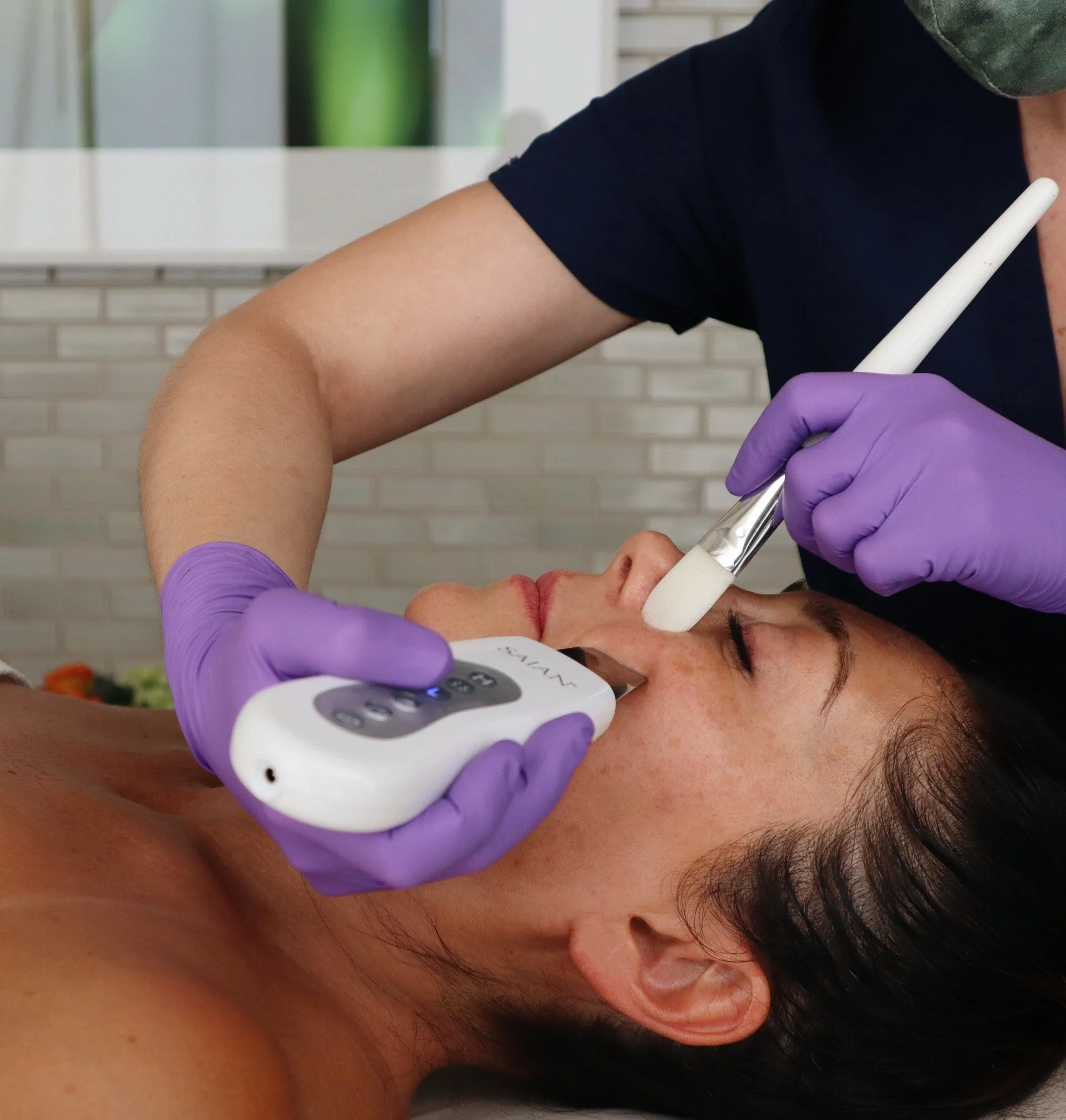
Not every skin concern requires an intensive resurfacing procedure. For dull or dehydrated skin, professional facial treatments may focus on cleansing, exfoliation, hydration, and the application of targeted skincare ingredients.
These treatments can provide a temporary improvement in smoothness and radiance and may be useful as part of a broader maintenance routine. They are generally better suited to surface-level concerns than deeper wrinkles or pronounced scarring.
The goal should be to choose a treatment based on the actual condition of the skin rather than selecting a procedure simply because it is popular.
Radiofrequency and Energy-Based Treatments
Radiofrequency treatments use controlled energy to heat targeted tissue and encourage collagen remodeling. Depending on the technology, these treatments may be considered when patients are concerned about mild laxity, texture, or early signs of aging.
Some technologies combine radiofrequency with microneedling, allowing energy to be delivered at controlled depths. Such procedures can require more recovery than a basic facial, so professional evaluation is important before treatment.
How to Choose the Right Treatment
There is no universal procedure that works equally well for every person. Someone primarily concerned with dullness may benefit from a very different approach than someone dealing with acne scarring and pronounced texture irregularities.
A consultation should consider:
- Skin type and sensitivity
- Degree of fine lines and wrinkles
- Pigmentation and uneven tone
- Acne or previous scarring
- Current skincare products
- Previous cosmetic procedures
- Expected downtime
- Desired level of improvement
A customized treatment plan can also combine different approaches over time instead of attempting to correct every concern in a single session.
Results Require Patience and Maintenance
Professional treatments can improve the appearance and quality of skin, but results are rarely permanent. Aging, sun exposure, hormonal changes, and environmental factors continue to affect the skin.
Some procedures produce visible changes relatively quickly, while collagen-stimulating treatments may take several weeks or longer to show their full effect. Multiple sessions may be recommended, depending on the treatment and individual goals.
Maintaining results also depends on everyday skincare. Gentle cleansing, appropriate moisturization, professionally recommended active ingredients, and consistent broad-spectrum sun protection can help support the skin between treatments.
Safety Should Come Before Results
Medical spa procedures are still cosmetic procedures that can cause side effects when performed incorrectly or on unsuitable skin. Temporary redness, swelling, peeling, sensitivity, or irritation can occur depending on the treatment.
Before undergoing a procedure, patients should disclose relevant skincare products, medications, allergies, recent treatments, and any history of pigmentation problems. A qualified professional should explain expected results, potential risks, recovery requirements, and alternatives before treatment begins.
A Personalized Approach to Better Skin
Fine lines, uneven texture, and dullness often overlap, which is why treating only one visible symptom may not produce the desired overall result. Modern medical spa care can combine resurfacing, collagen-supporting treatments, hydration, and a well-designed home routine to address multiple aspects of skin quality.
The most effective approach is not necessarily the strongest treatment. It is the treatment—or combination of treatments—that matches the skin’s condition, the individual’s goals, and their ability to manage recovery and ongoing maintenance.
