


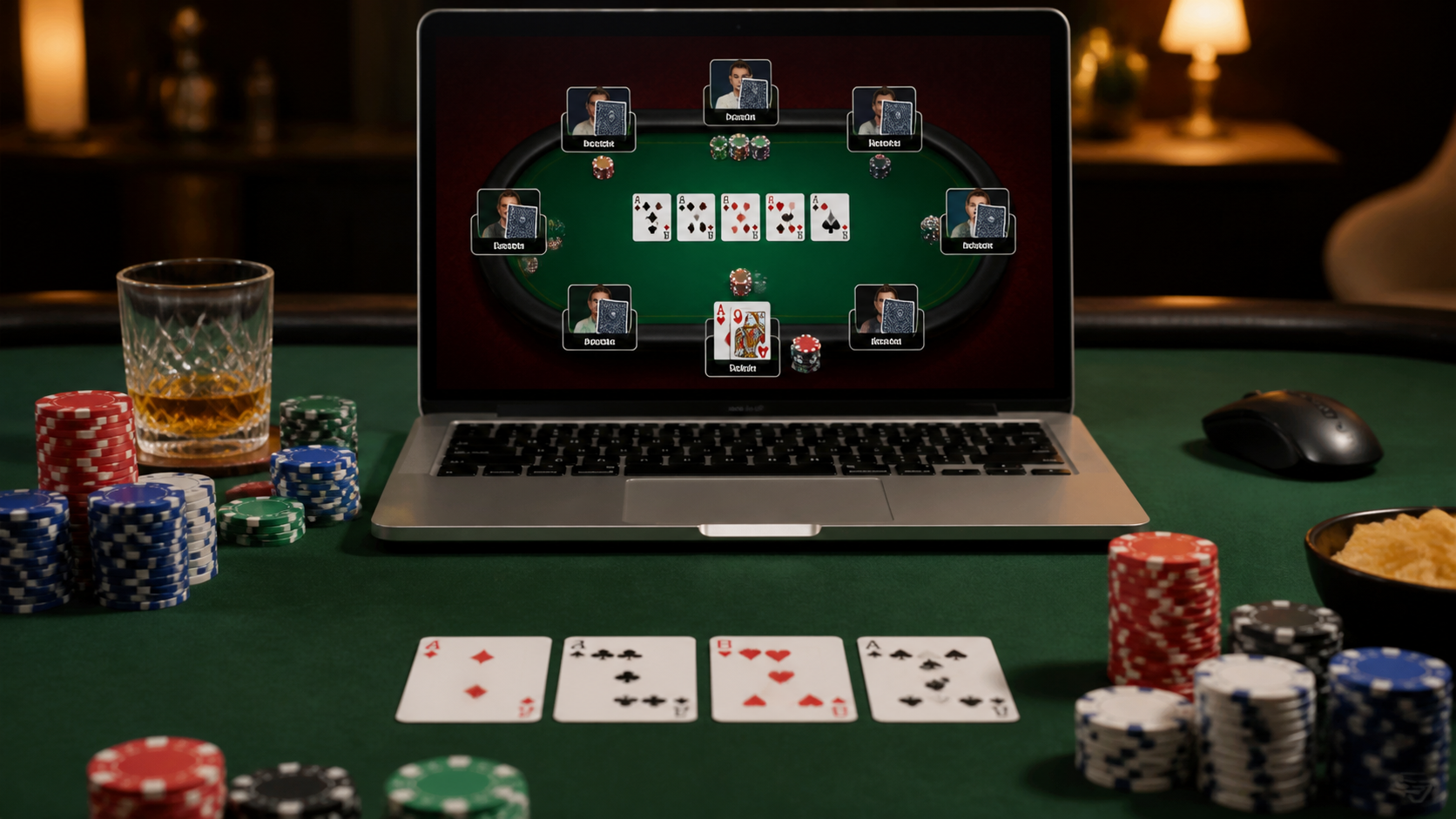
Online poker has grown into a familiar part of the wider gaming conversation, especially for players who want a card game that blends strategy, patience, and observation. For people in Malaysia, the appeal is easy to understand: poker is not only about luck, but also about reading situations, managing risk, and making better decisions over time. That mix gives the game a different feel from many fast-paced casino options.
At the same time, anyone interested in poker online should approach the topic with a clear view of the practical side. Game choice, platform quality, banking convenience, and personal discipline all matter. For readers looking into online poker in malaysia, the most useful starting point is not excitement alone, but understanding how the game works in a digital setting and what a thoughtful player should consider before getting involved.
Why online poker appeals to Malaysian players
Online poker attracts attention because it offers more than a simple wager. A player is not just waiting for cards to fall in a fortunate pattern; they are also deciding when to continue, when to step back, and how to react to other people at the table. That strategic layer is a major reason poker has remained popular for so long.
Another reason is convenience. Online play removes the need to travel, which makes it easier to fit a few hands into a busy schedule. For many players, that flexibility matters as much as the game itself. A person can choose a table that suits their comfort level, spend a short amount of time playing, and leave when they are done.
There is also a social element, even in a digital setting. Poker still carries the tension of competition, the challenge of facing real opponents, and the satisfaction of making a well-timed decision. That combination tends to appeal to people who enjoy games with a mental edge rather than pure chance.
How the online format changes the poker experience
Playing poker online is not the same as sitting at a physical table. The cards and betting rules may be familiar, but the rhythm is different. Online games often move faster, and that speed can be useful for experienced players while also feeling overwhelming for newcomers. Because hands resolve more quickly, the pace leaves less time to think through every small choice.
Digital poker also changes the way players read information. In person, people often rely on body language, table presence, and verbal habits. Online, those clues are limited, so the focus shifts to betting patterns, timing, and consistency. This can make the game more analytical and, in some ways, more disciplined.
What newcomers often notice first
New players usually notice how easy it is to jump into a table and how quickly the action begins. That convenience can be inviting, but it also means the learning curve may feel steep at first. The key is to start with simpler formats, take time to observe how hands unfold, and avoid rushing into games that feel too advanced.
It also helps to remember that poker rewards patience. A cautious player often learns more by watching several rounds than by playing every hand. That habit can make the game feel less pressured and more manageable.
Why game selection matters
Not every poker table creates the same experience. Some tables are better suited to casual learning, while others are shaped by more confident or aggressive play. Choosing the right level can affect how enjoyable the game feels and how much value a player gets from each session. A table that is too difficult may feel discouraging, while one that is too easy may not offer much challenge.
That is why it is sensible to think about format before focus. The right setting depends on personal goals, whether that is learning the basics, playing recreationally, or gradually improving decision-making over time.
What to look for before choosing a poker platform
Before joining any poker platform, players should pay attention to several practical details. A good site should feel usable, clear, and stable. If the layout is confusing or the tables are difficult to navigate, the overall experience can quickly become frustrating, even if the game itself is familiar.
Players should also look at the range of games offered. Some platforms concentrate on standard poker tables, while others may include different formats or tournament-style play. A broader selection is not automatically better, but it can be helpful if a player wants to try different styles without moving from one place to another.
Banking convenience matters too. Deposits and withdrawals should be easy to understand, and the platform should explain its process clearly. While every player has different preferences, straightforward payment handling is usually a good sign that the site has been designed with real users in mind.
- Clear table rules and game formats
- Simple navigation on desktop or mobile
- Transparent deposit and withdrawal information
- Tables that match the player’s experience level
- Reasonable support for common user questions
Security and trust are also worth considering. Without relying on dramatic promises, it is fair to say that players generally prefer platforms that present information openly and avoid unnecessary confusion. A site should help users understand what they are joining before any money is involved.
Practical habits that support better poker play
Poker tends to reward clear habits more than dramatic moves. A player who pays attention to position, betting behavior, and table flow often makes more grounded decisions than someone who chases every hand. Good habits do not guarantee success, but they can improve the quality of each session.
One useful habit is setting limits before playing. That includes deciding how long to stay at the table and how much to spend. Poker can become emotionally difficult when a player keeps going without a plan, especially after a few losing hands. A fixed limit can help keep the experience controlled and more enjoyable.
Another practical approach is to treat losses as part of the game rather than as a reason to react immediately. Short-term outcomes can vary a lot, and poker sessions rarely tell the full story on their own. A calm player is often better equipped to make sensible choices than one who is trying to recover too quickly.
Smart habits for recreational players
- Start with lower-pressure tables
- Watch a few rounds before joining aggressively
- Keep notes on recurring betting patterns
- Avoid playing when distracted or rushed
- Pause regularly instead of extending a session by habit
Keeping the experience enjoyable and responsible
For most people, the healthiest way to approach online poker is as entertainment first. That perspective helps maintain balance and prevents the game from turning into a source of pressure. Because poker combines strategy with uncertainty, it is easy to focus too much on outcomes and forget that each session is only one part of a longer pattern.
Responsible play does not have to be complicated. It usually means knowing when to stop, choosing games that match your comfort level, and avoiding the temptation to treat each hand as a must-win moment. Players who keep their expectations realistic are more likely to enjoy the process, even when the cards do not cooperate.
It can also help to separate learning from chasing results. Studying how hands develop, noticing when opponents tend to act aggressively, and reviewing personal mistakes can make the game more engaging. That learning mindset gives poker a lasting appeal because progress comes from observation as much as from results.
For Malaysian players, the key is balance. A well-chosen platform, a clear game plan, and steady self-control often matter more than any single lucky hand. When those pieces are in place, poker feels less chaotic and more like a thoughtful card game with room to improve over time.
Final thoughts on online poker in Malaysia
Online poker continues to stand out because it offers a mix of skill, judgment, and competition that many other games do not provide. For players in Malaysia, the online format adds convenience and flexibility, but it also makes it important to think carefully about table choice, platform quality, and personal habits. Those details shape the experience as much as the cards themselves.
Anyone approaching the game with patience and realistic expectations is more likely to find it rewarding. Whether the goal is casual entertainment or a more serious interest in strategy, the best approach is to stay informed, choose carefully, and keep the game in its proper place as part of a balanced leisure routine.
